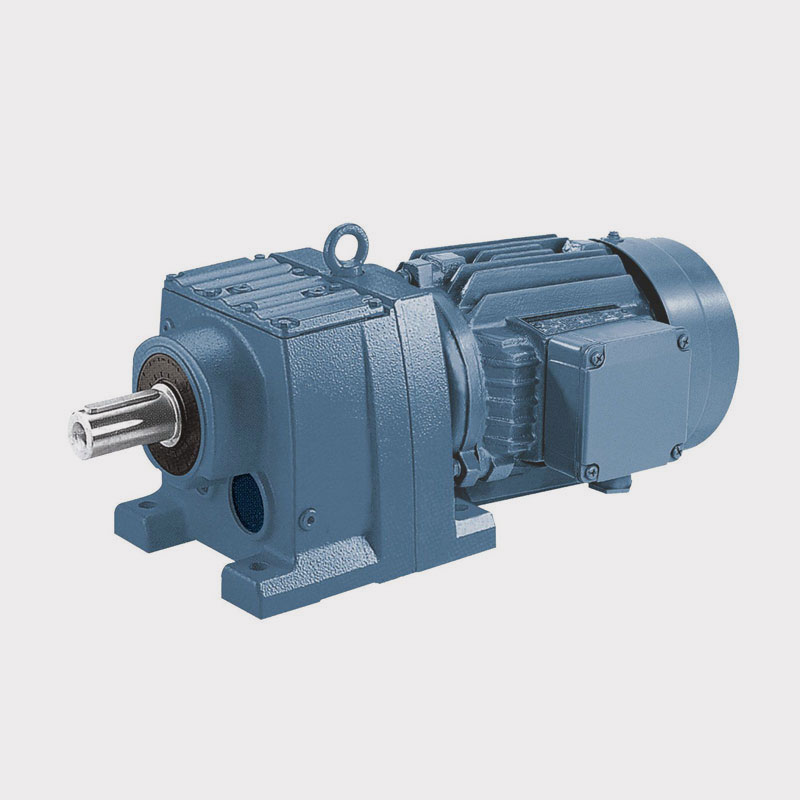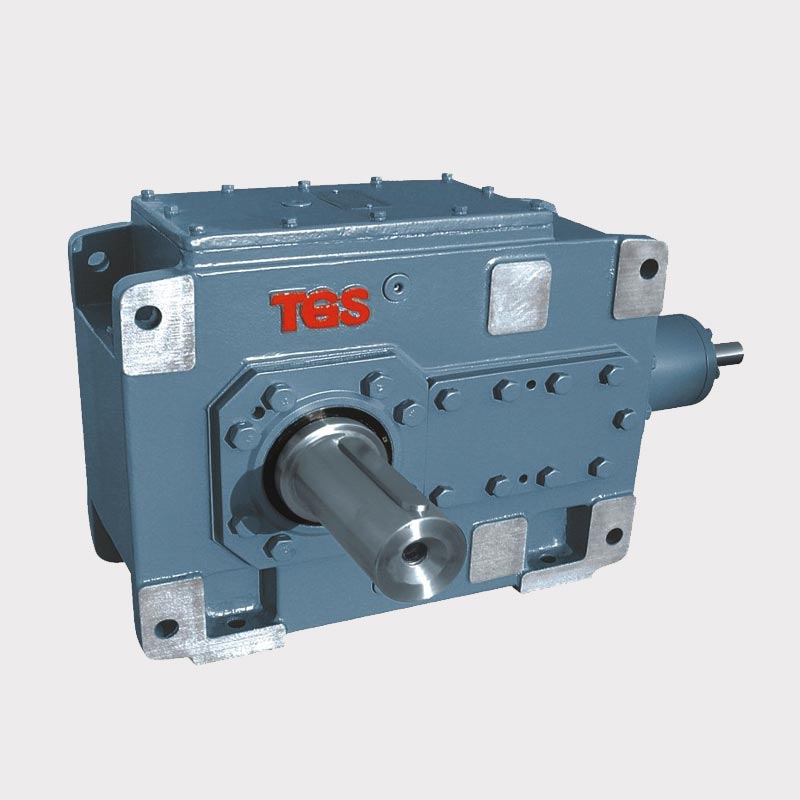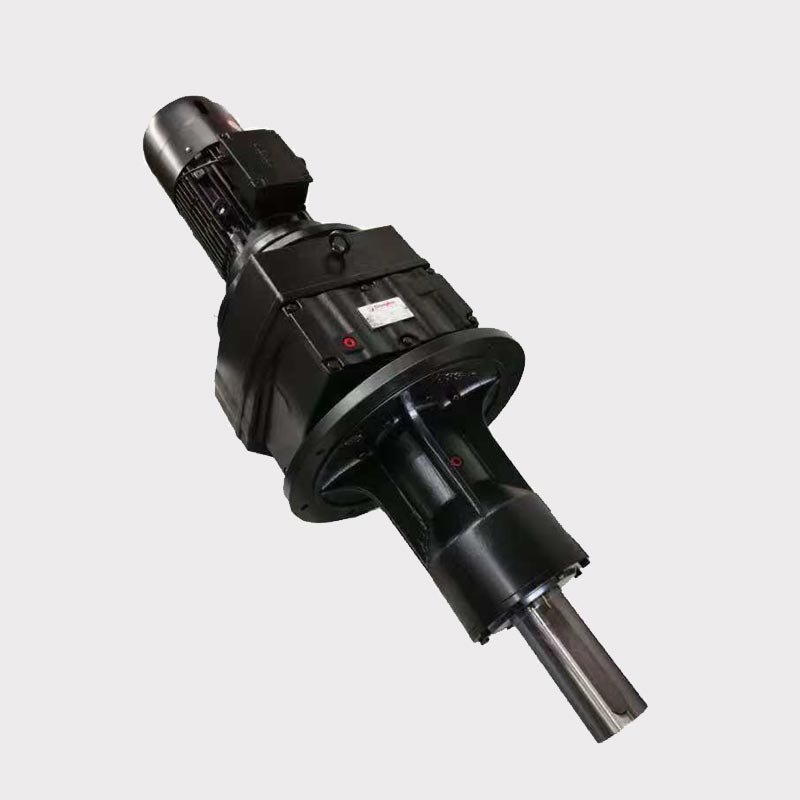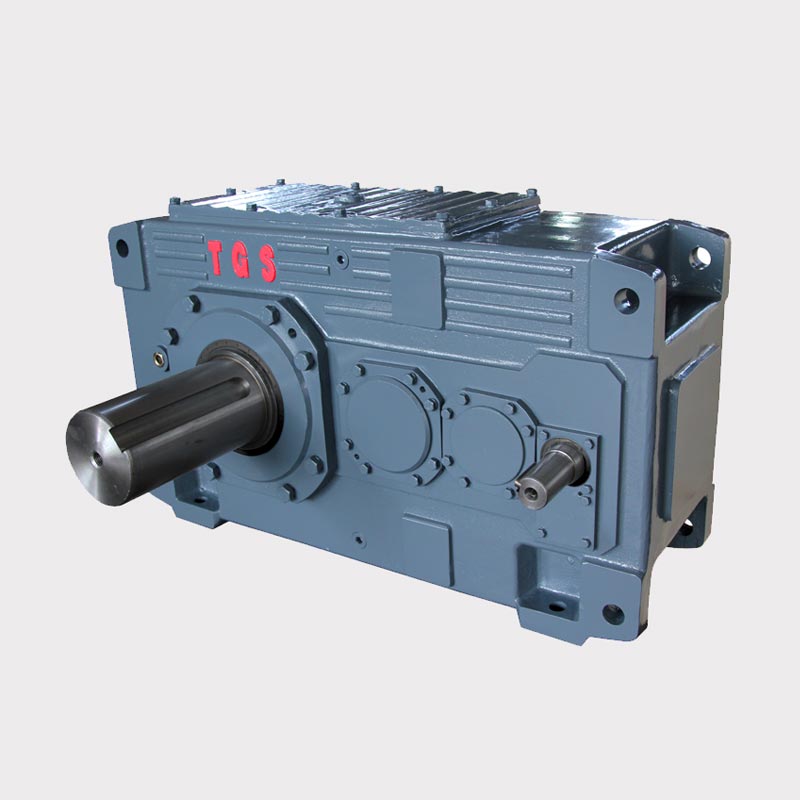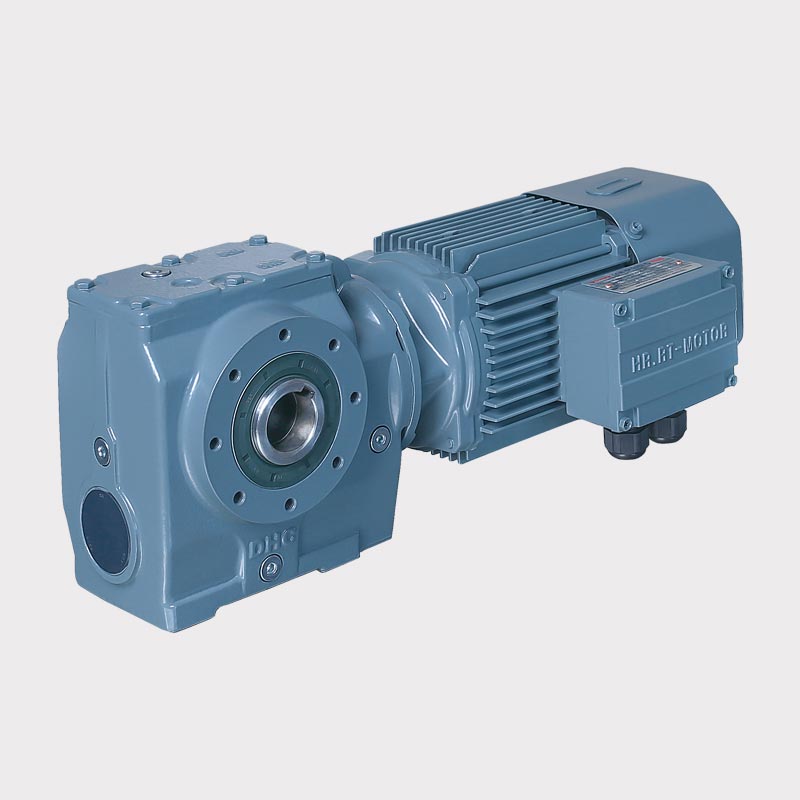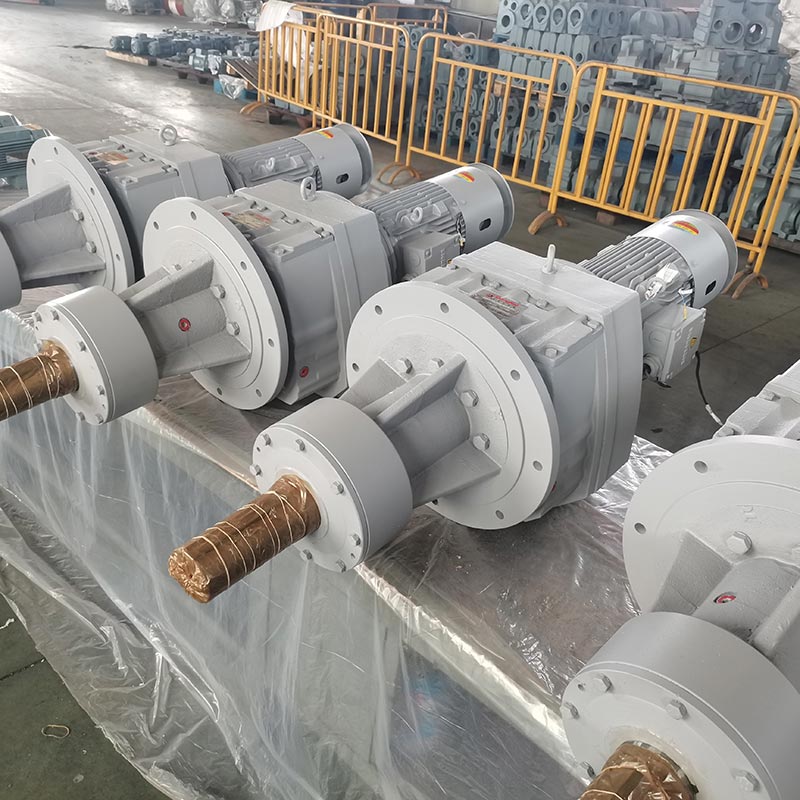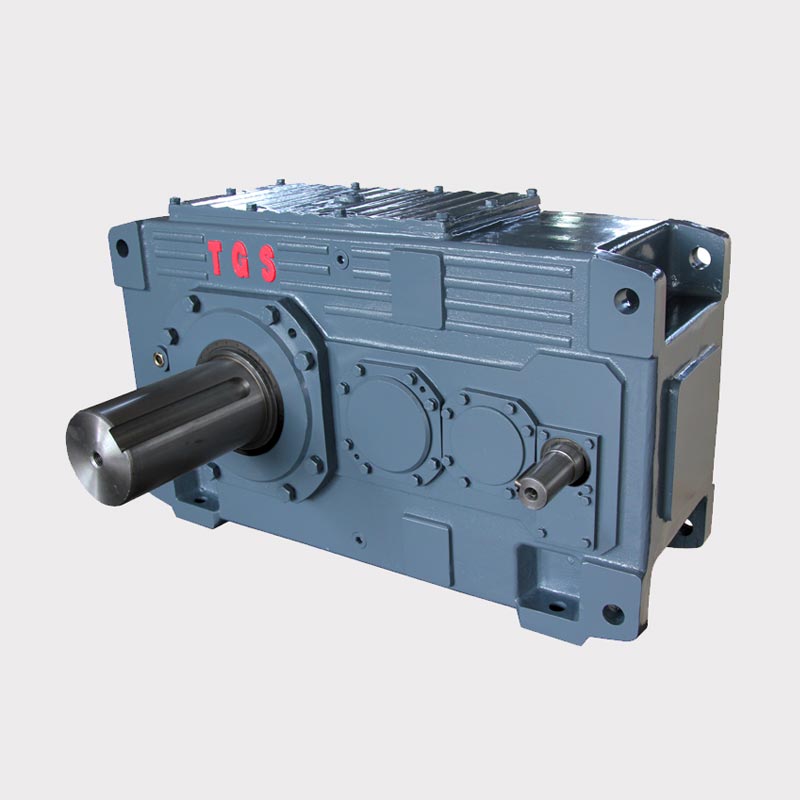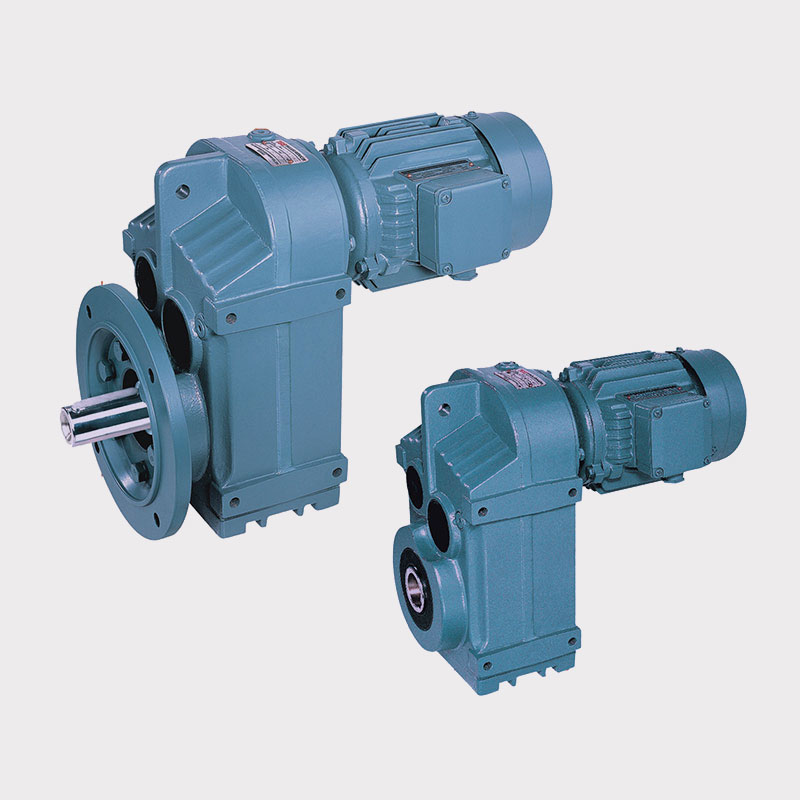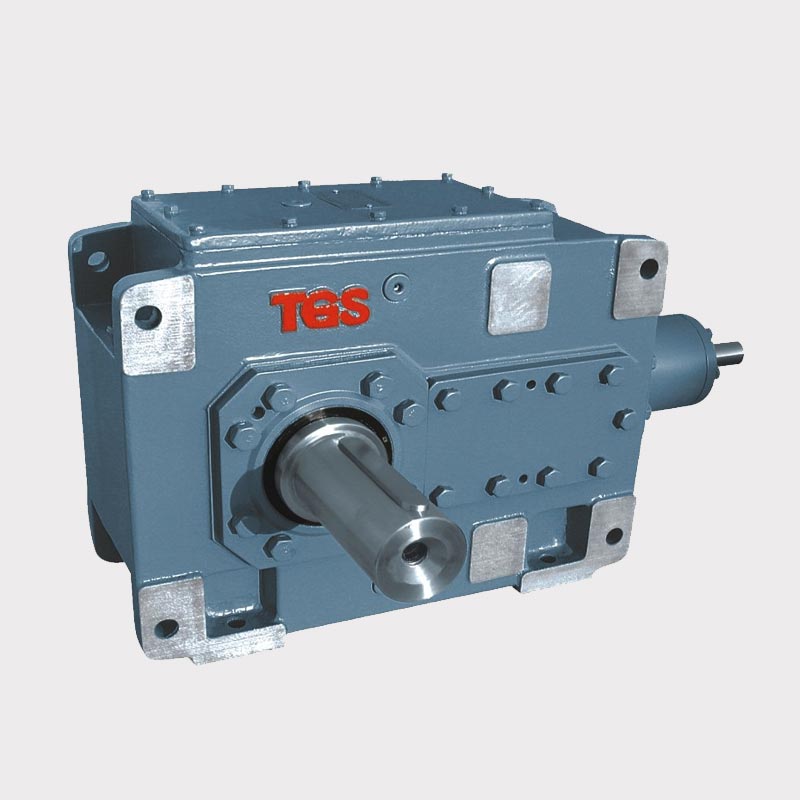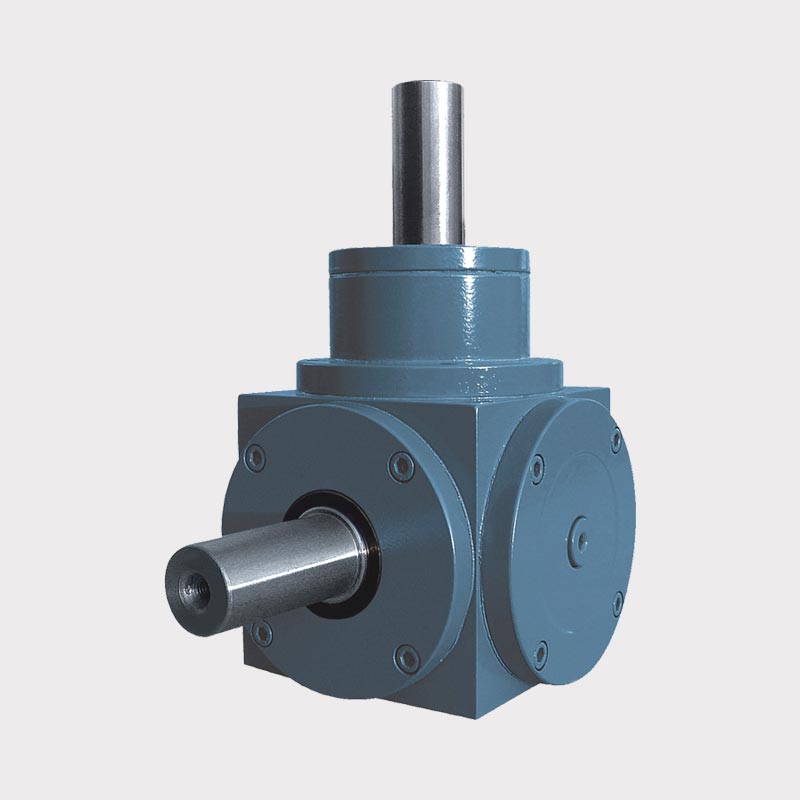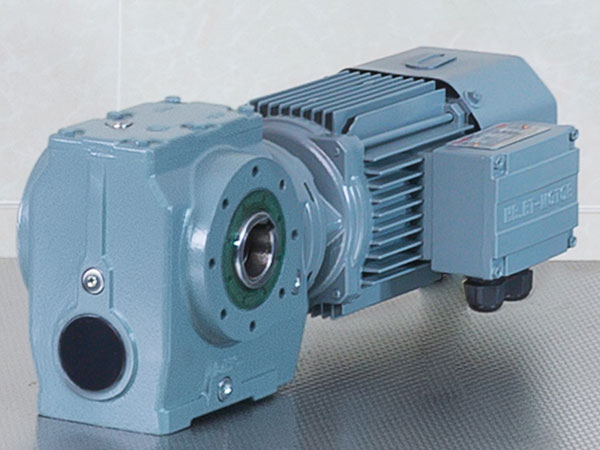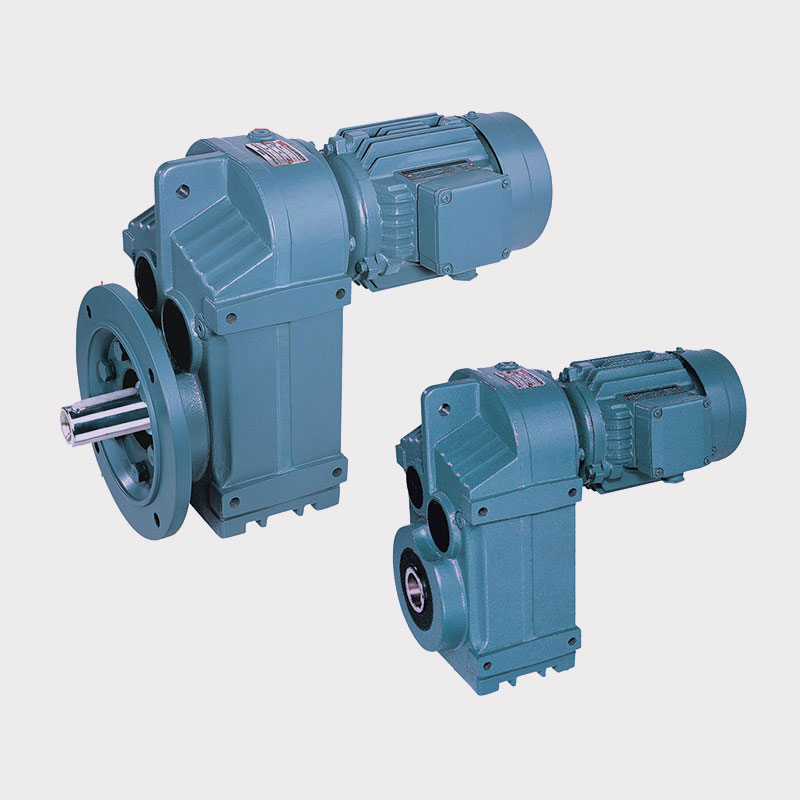

Zhejiang Donghai Reducer Co., Ltd. has been closely associated with the evolution of industrial drive systems, and P Series Parallel Shaft Helical Gear Motor is one of the frequently discussed solutions in modern mechanical transmission. In many engineering systems where stable torque delivery and smooth energy transfer are required, this configuration has become a reference point for understanding how compact gear structures can improve efficiency, reduce vibration, and support long-term continuous operation. Rather than being a niche component, it is increasingly seen as a practical answer to common challenges in power transmission such as energy loss, mechanical noise, and uneven load distribution.
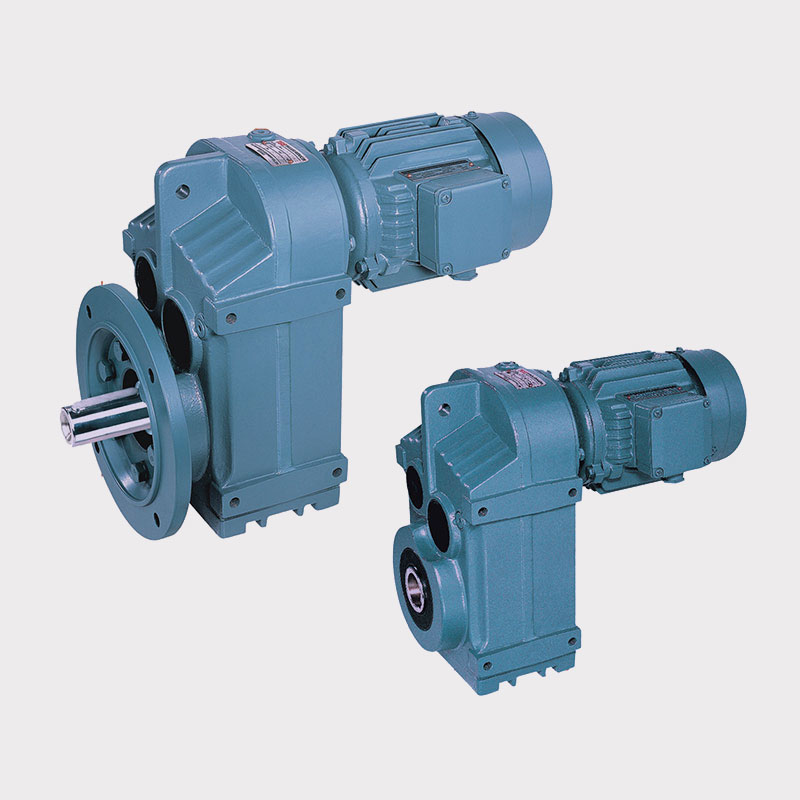
The Parallel Shaft Helical Gear Motor is built on a relatively straightforward idea: aligning the motor shaft and gear shaft in parallel to achieve smoother torque transfer. This structural decision reduces unnecessary directional force changes inside the system and allows energy to flow more directly through the transmission path.
Unlike traditional offset arrangements, the parallel layout helps balance radial loads more effectively. This is particularly useful in equipment that operates under continuous or fluctuating load conditions. The helical gear teeth also play a key role by engaging gradually rather than abruptly, which reduces shock loading and improves operational stability.
Helical gears are cut at an angle, meaning that tooth engagement happens progressively along the contact line. This increases the effective contact area and spreads force more evenly across the gear surface. In practice, this results in smoother motion and reduced mechanical stress.
In systems using a P Series Parallel Shaft Helical Gear Motor, this design helps reduce sudden torque spikes that can otherwise shorten equipment lifespan or increase maintenance frequency.
Power transmission in this type of gear motor follows a clear sequence: electrical energy is first converted into mechanical rotation by the motor, then transferred into the reducer section, where speed is decreased and torque is amplified.
The efficiency of this process is closely tied to internal gear precision and material treatment. In modern configurations, precision machining and controlled heat treatment are used to ensure gear surfaces maintain consistent hardness and contact quality.
One of the notable characteristics often highlighted in industrial discussions is the efficiency level, which can exceed 95% under optimal conditions. This means only a small portion of energy is lost during conversion and transfer.
Below is a simplified comparison of how different transmission elements behave under similar working conditions:
| Transmission Type | Contact Style | Noise Level | Efficiency Range | Load Stability |
| Spur Gear System | Instant engagement | Higher | Medium | Moderate |
| Worm Gear System | Sliding contact | Lower | Lower | High heat loss |
| Helical Gear Configuration | Gradual engagement | Lower | High | High |
This comparison helps explain why helical systems are often selected when smoothness and efficiency are prioritized in mechanical design.
The Parallel Shaft Helical Gear Motor is not defined by a single feature but by a combination of structural elements working together. Cast iron housing improves rigidity and vibration resistance, while forged steel gears provide durability under repeated stress cycles.
Noise reduction is another important aspect. Operating noise levels below 65dB are typically associated with improved machining accuracy and better tooth surface finishing. This makes the system more suitable for environments where mechanical sound must be controlled for operational comfort or equipment coordination.
Because of the increased contact ratio in helical gears, load is distributed across multiple teeth rather than concentrated on a single point. This reduces wear and helps extend service life, often exceeding 20,000 operating hours depending on conditions.
In practical use, the P Series Parallel Shaft Helical Gear Motor is found in a wide range of mechanical systems where controlled motion and torque consistency are required.
Conveyor systems rely heavily on steady rotational output to prevent material buildup or uneven flow. The smooth torque characteristics help maintain consistent belt movement.
In lifting mechanisms, stability during start and stop phases is critical. The gradual engagement of helical gears helps reduce mechanical shock during load transitions.
Automation equipment often involves synchronized motion across multiple axes. Parallel shaft configurations support compact installation while maintaining reliable transmission performance.
When integrating this type of gear motor into mechanical systems, several factors are typically evaluated to ensure compatibility and long-term stability.
| Parameter Category | Typical Consideration |
| Mounting Options | Foot, flange, hollow shaft configurations |
| Operating Environment | Temperature, dust, humidity levels |
| Load Characteristics | Constant load vs. variable load patterns |
| Speed Requirements | Low-speed high-torque or moderate speed |
| Maintenance Cycles | Lubrication intervals and inspection needs |
These parameters influence not only performance but also system reliability over extended use cycles.
Heat generation during operation is a natural result of friction and energy transfer. Efficient heat dissipation through housing design and lubrication systems helps maintain stable performance.
In modern industrial equipment, small deviations in gear geometry can significantly affect overall system behavior. Precision machining ensures that tooth profiles remain consistent, which directly impacts smoothness and efficiency.
In the context of Zhejiang Donghai Reducer Co., Ltd., emphasis on automated processing and inspection systems reflects the broader industry shift toward tighter tolerances and higher reliability expectations.
The P Series Parallel Shaft Helical Gear Motor represents a balanced approach to mechanical power transmission, combining structural simplicity with performance-focused engineering. Its parallel shaft layout, helical gear engagement, and durable housing design collectively address common operational issues such as vibration, inefficiency, and uneven load distribution. As industrial systems continue to demand more stable and compact drive solutions, this configuration remains a widely referenced model for understanding efficient torque transfer principles.
Zhejiang Donghai Reducer Co., Ltd. continues to be associated with the development and application of such transmission solutions, reflecting ongoing improvements in gear accuracy, material strength, and system integration across modern mechanical environments.