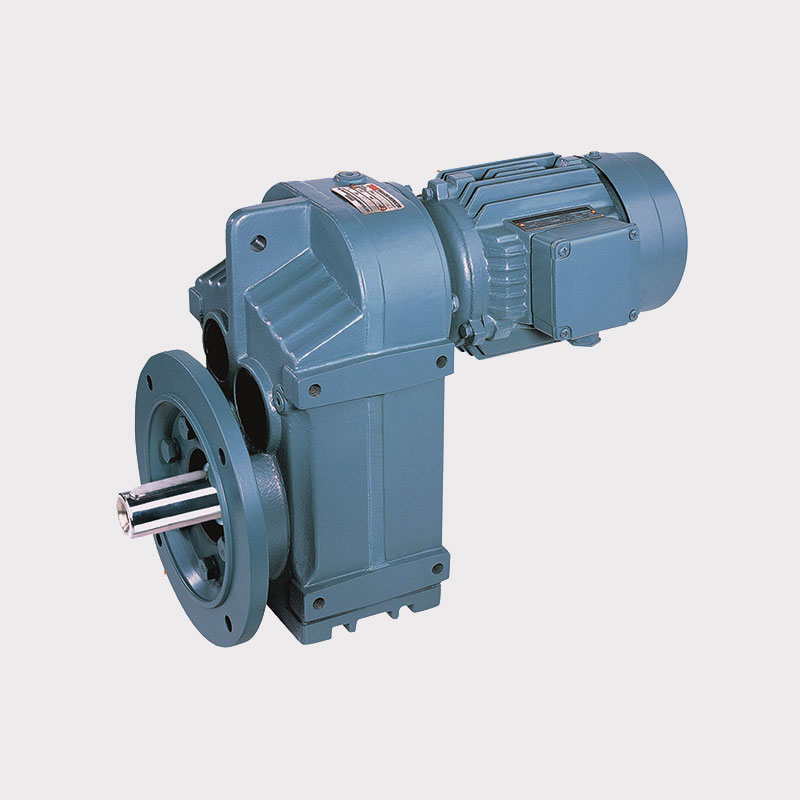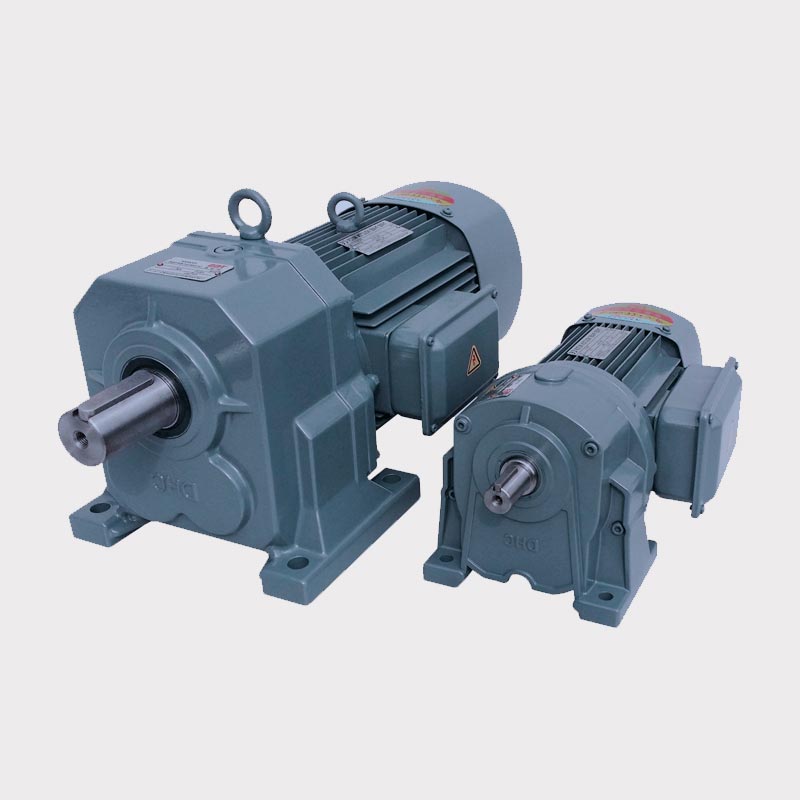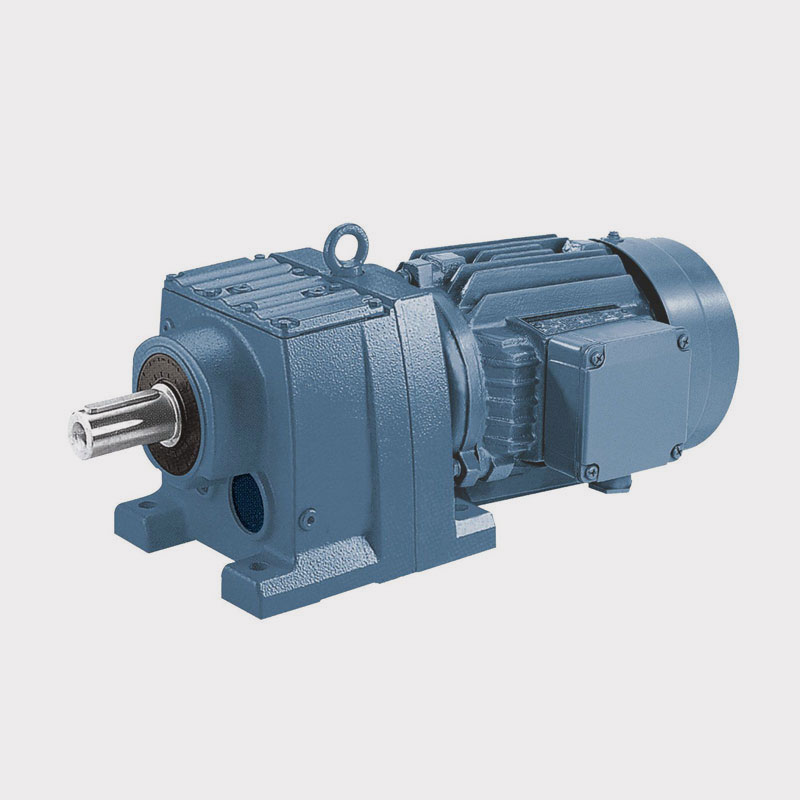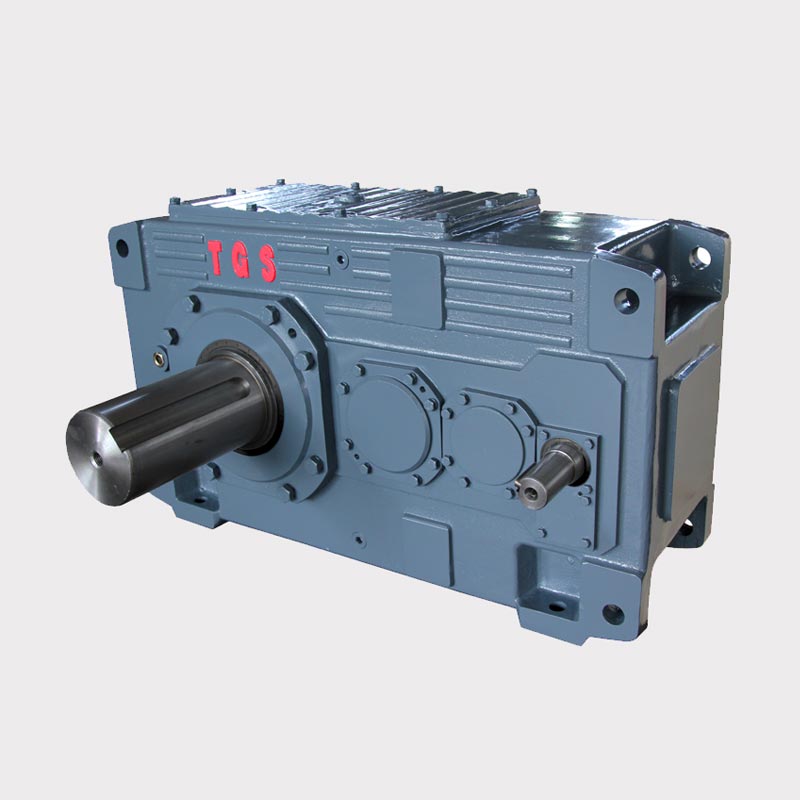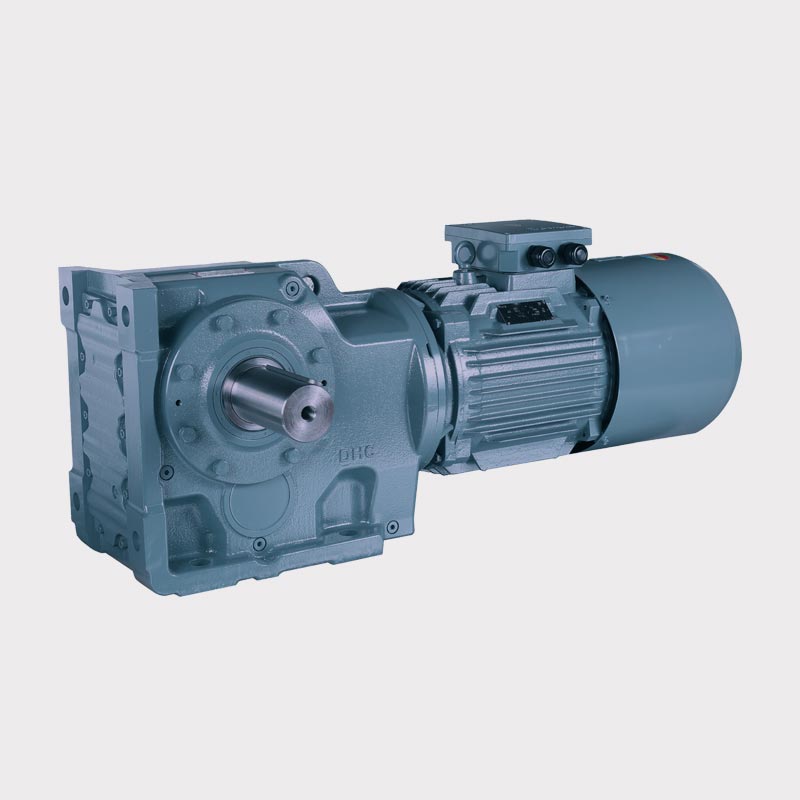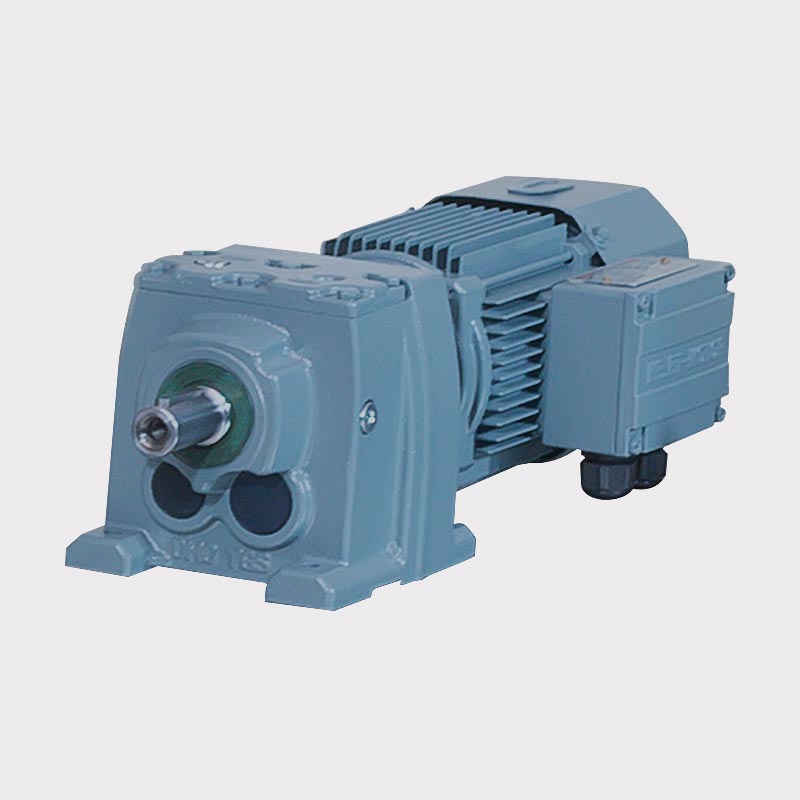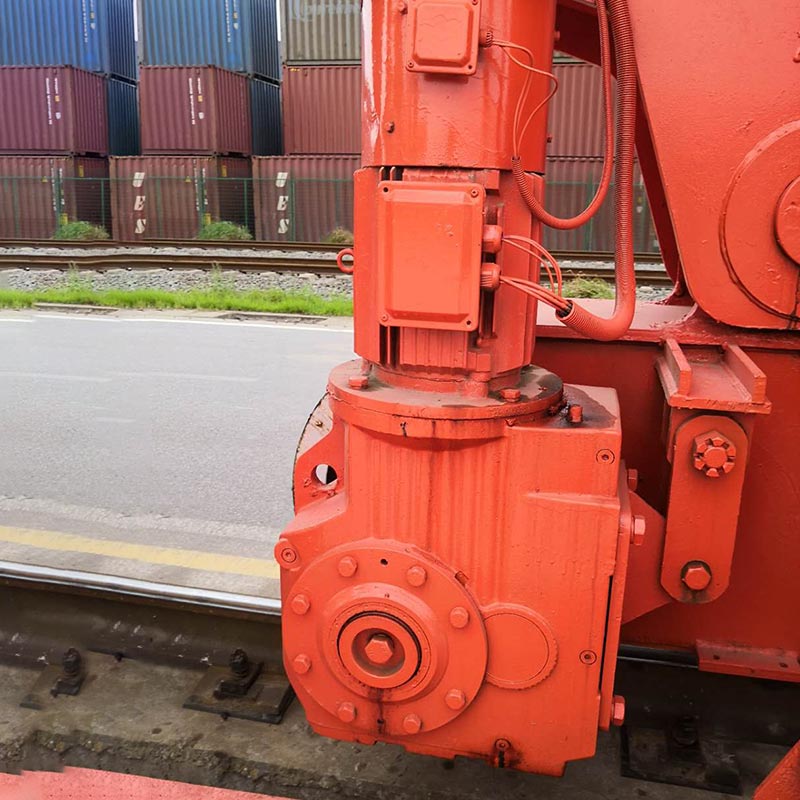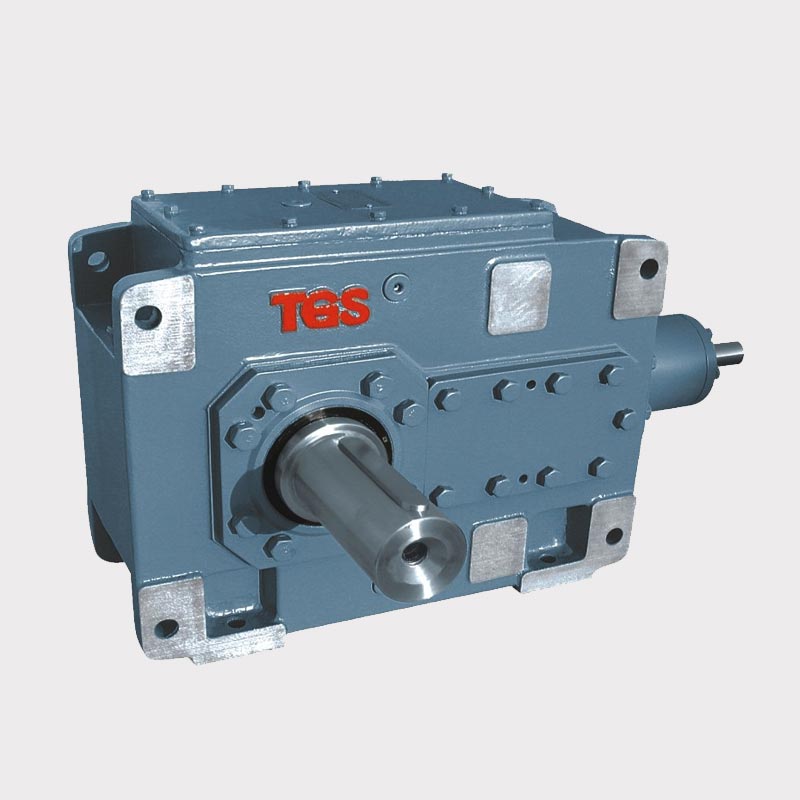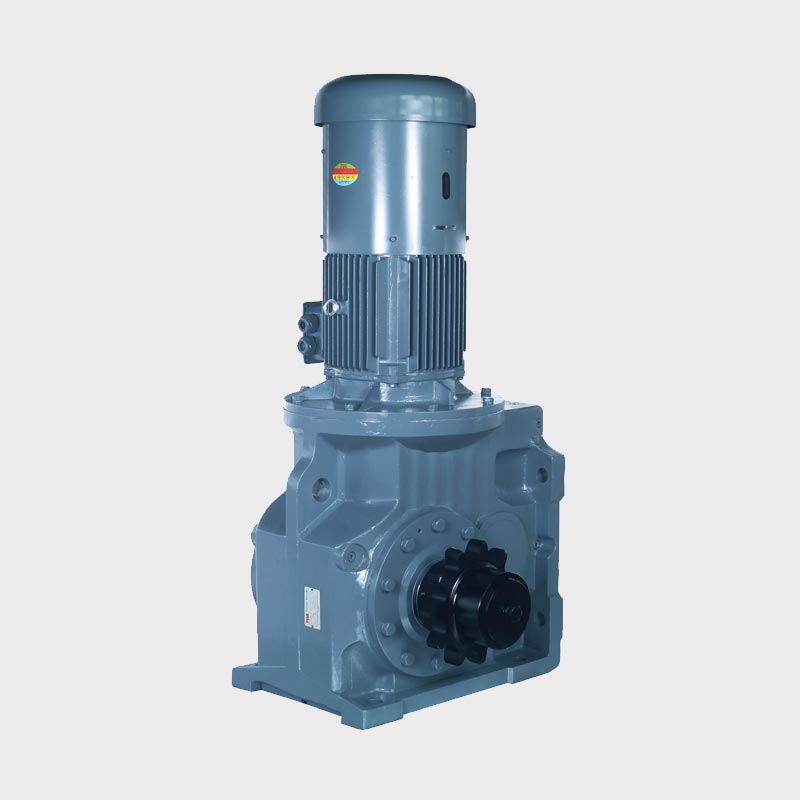

As smart factories evolve, P Series Parallel Shaft Helical Standard AC Gear Motor technology is gaining attention for its role in improving motion control, equipment layout, and production efficiency. Modern manufacturing systems increasingly require compact and stable transmission solutions that can support continuous operation.
Smart manufacturing is not only about robots, sensors, and digital management platforms. Behind every automated movement, there is a mechanical transmission system responsible for converting electrical energy into precise motion.
Production lines today face several challenges:
As a result, industrial equipment designers are looking for drive components that combine compact structures with reliable torque transmission. Parallel shaft helical gear motors have become an important option in many automated systems because of their efficient power transfer and flexible installation characteristics.
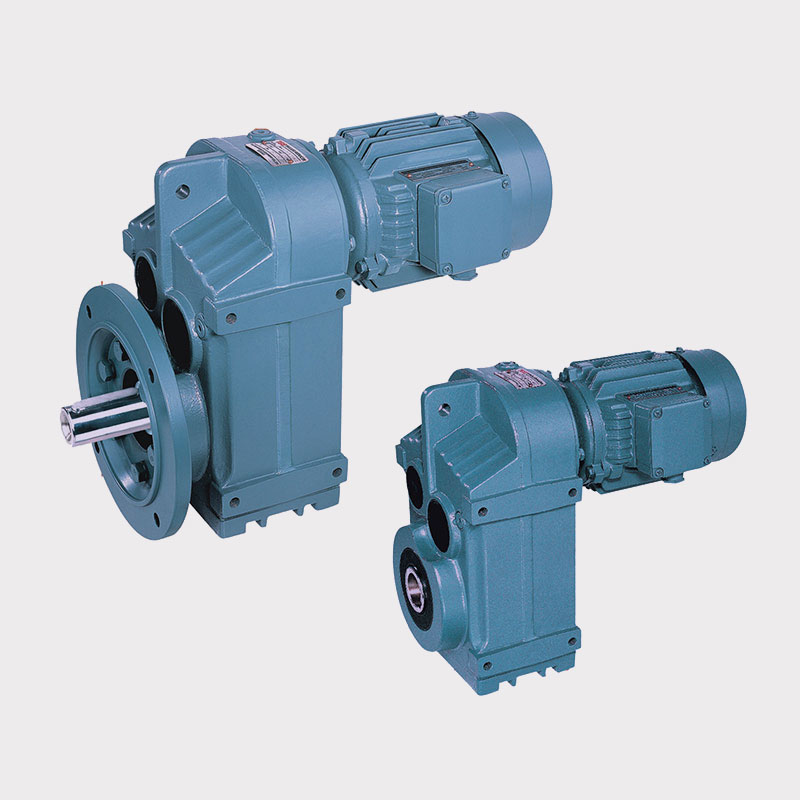
One major trend in smart manufacturing is the development of smaller, more flexible production equipment. Traditional transmission structures can sometimes require additional space for connection components, while parallel shaft designs allow the motor and output shaft to maintain a more compact arrangement.
The parallel shaft structure helps optimize the internal layout of machinery, especially in applications where multiple drive units operate close together. Conveyor systems, packaging equipment, automated storage systems, and processing machinery often require this type of space-efficient transmission approach.
For these applications, the P Series Parallel Shaft Helical Standard AC Gear Motor represents a design direction focused on combining motor power with a compact gearbox structure.
The gear structure inside a motor reducer directly influences operating performance. Compared with traditional gear arrangements, helical gears use angled teeth that engage gradually during operation.
This gradual engagement provides several practical benefits:
| Feature | Impact on Equipment Operation |
|---|---|
| Smooth tooth engagement | Helps reduce vibration during continuous operation |
| Larger contact area | Supports stable torque transmission |
| Compact gear arrangement | Allows efficient use of machine space |
| Lower operating noise | Benefits production environments requiring quieter operation |
Helical gear technology has become widely used in industrial drive systems because it supports smoother transmission and improved load distribution.
Material handling is one of the areas where parallel shaft gear motors are frequently applied. Automated warehouses, logistics equipment, and production conveyors depend on consistent movement control to maintain workflow efficiency.
A conveyor system may need to operate for many hours every day while handling different loads. The drive unit must provide stable speed and torque without creating unnecessary downtime.
In these environments, the P Series Parallel Shaft Helical Standard AC Gear Motor can support applications where reliable mechanical movement is required, including:
The growing use of automated logistics and factory systems has increased attention toward compact and efficient geared motor solutions.
Energy consumption has become an important factor in industrial equipment design. Many factories are reviewing older drive systems and looking for ways to improve overall efficiency.
Modern gear motors are being developed with better mechanical efficiency, optimized gear structures, and compatibility with more efficient electric motor technologies. These improvements help reduce unnecessary energy losses during long operating cycles.
Rather than focusing only on maximum output power, current industrial design trends emphasize matching the motor and gearbox performance with the actual operating requirements of the machine.
Another reason parallel shaft gear motors remain relevant is their adaptability. Different machines require different mounting positions, output directions, and connection methods.
A flexible transmission system allows equipment designers to create more practical machine structures without completely redesigning the drive system.
Common installation considerations include:
| Design Requirement | Suitable Consideration |
|---|---|
| Limited machine width | Compact parallel shaft arrangement |
| Continuous operation | Stable helical gear transmission |
| Easy equipment integration | Multiple mounting possibilities |
| Changing production needs | Modular drive selection |
This flexibility is especially valuable as manufacturers of industrial equipment move toward modular production platforms.
The next stage of smart manufacturing will involve closer integration between mechanical components and digital technologies. Sensors, monitoring systems, and data analysis tools are increasingly being used to understand equipment conditions.
While gear motors remain mechanical components, their role is becoming more connected with overall production management. Condition monitoring and predictive maintenance concepts are influencing how factories evaluate drive system reliability.
Future transmission systems are expected to focus on:
These trends show that mechanical transmission remains a fundamental part of intelligent manufacturing development.
Smart manufacturing depends on the cooperation of many technologies. Software controls production decisions, sensors collect information, and mechanical systems transform those instructions into physical movement.
Parallel shaft helical gear motors continue to attract attention because they address practical industrial needs such as space efficiency, stable torque transmission, and continuous operation. With more industries adopting automated production methods, the role of advanced drive components will continue to expand.
As transmission technology develops, Zhejiang Donghai Reducer Co., Ltd. continues its focus on gear and motor solutions, including the P Series Parallel Shaft Helical Standard AC Gear Motor, supporting the ongoing evolution of industrial equipment toward more efficient and adaptable manufacturing systems.